
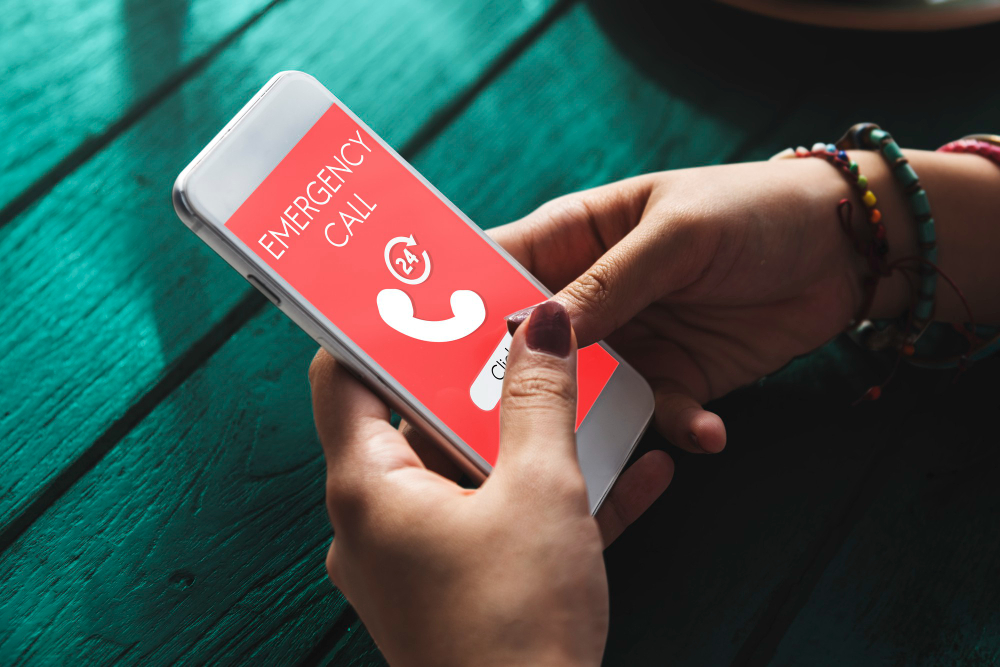
What Are Emergency Medical Services (EMS)?
Emergency Medical Services, or EMS, are teams that help people during serious health problems. They include ambulances, paramedics, and emergency medical technicians. When you call 911, EMS teams arrive quickly to give care and take people to the hospital if needed. In many cities, EMS also works with police and fire departments. Because they are trained for urgent care, EMS can save lives during a crisis.
Common Medical Emergencies Requiring EMS
Sometimes, it is hard to know when to call emergency medical services. However, certain situations always need quick help. For example, these emergencies often require EMS:
In addition, emergency symptoms in children, like trouble breathing or unresponsiveness, need fast action. The CDC and WHO stress that acting quickly in these cases can save lives.
Warning Signs That Need Immediate Attention
Knowing the signs you need to call 911 helps families act fast. For instance, watch for these warning signs:
Because these symptoms can get worse quickly, do not wait to call for help. Even if you feel unsure, it is safer to call EMS.
How to Assess the Situation at Home
When something happens at home, families may feel scared. Yet, staying calm helps you think clearly. First, check if the person is awake and breathing. Next, look for signs of serious injury or illness. For example, if the person cannot talk or move, call EMS right away. If you are not sure, it is better to call for help. Many experts, including the American Heart Association, suggest using a family emergency response guide to stay prepared.
Steps to Take Before EMS Arrives
Once you call 911, there are steps you can take to help:
In addition, keep children and pets away from the area. This helps EMS work faster when they arrive.
Tips for Communicating with EMS Dispatchers
Clear communication with EMS dispatchers is very important. When you call, be ready to:
Because dispatchers are trained to help, they may give you steps to take until EMS arrives. For example, they may guide you through CPR or help you calm the person. In rural areas, give clear directions or landmarks to help EMS find you faster.
Preventing Delays in Emergency Response
Families can take steps to prevent delays in emergency response. For instance, keep your address visible from the street. Also, make sure your house number is easy to read at night. If you live in an apartment, tell the dispatcher your unit number and floor. In addition, teach children how and when to call 911. Keep a list of emergency contacts near the phone. Because every second counts, these small steps can make a big difference.
Conclusion
If you have questions about emergency care or want to learn how to keep your family safe, Sathish MS hospital is here to help. Book a consultation today for guidance and support.